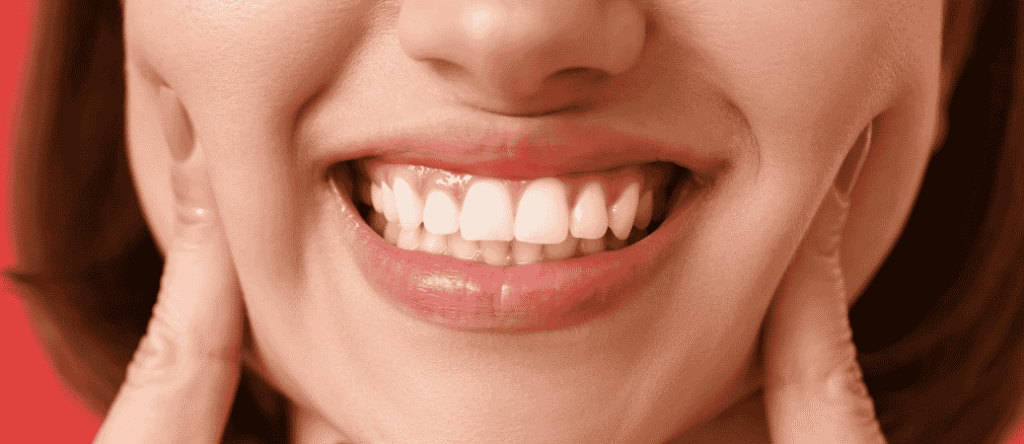
The first week after gum contouring is when your gums do the most visible healing, and what you eat and how you brush can make that week feel a lot smoother.
Your gums will likely be tender, a little swollen, and maybe slightly uneven in appearance at first. That’s normal tissue behavior, not a sign something went wrong.
Gum contouring recovery varies by person and procedure. Tenderness and swelling often ease during the first week, but follow the timeline and care instructions your dentist gives you.
This guide walks through what to eat, how to brush without disturbing healing tissue, and which symptoms deserve a call to your dentist rather than a wait-and-see approach.
Key Takeaways
- Soft, cool foods and gentle brushing around (not on) the treated area protect your gums during the first week.
- Mild swelling, tenderness, and a slightly uneven gumline are common early on and usually ease within days.
- Worsening pain, spreading swelling, fever, or bleeding that won’t stop are reasons to call your dentist promptly.
What Happens to Your Gums During the First Week?
Your gums go through a fairly predictable healing process in the first week, starting with tenderness and light bleeding and moving toward better comfort and a more settled appearance.
Swelling tends to peak early and then fade, while gumline symmetry keeps improving as the tissue calms down. An uneven gumline right after treatment is common and not something to judge too quickly.
The First 24 Hours: Tenderness and Light Bleeding
The first day is about letting the numbness wear off and the tissue start to settle. Mild bleeding right after the procedure is normal and usually settles within a few hours.
Some oozing, tenderness, and mild swelling are expected during this window.
Keep pressure off the area and stick to cool, soft foods. A cold compress against the outside of your cheek can help take the edge off swelling.
Days 2–3: Swelling and Early Healing
Swelling and sensitivity often feel most noticeable on day two, especially when chewing.
Many patients notice discomfort with chewing around this point, with soreness beginning to ease by day three as the body moves past the initial inflammatory response.
Your gums may look red or puffy, and that’s part of normal healing, not a setback.
Days 4–7: Improving Comfort and Appearance
By day four, most people feel noticeably more comfortable with everyday activities. Swelling continues to go down, though the gums can still feel tender when touched directly.
This is also when many dentists have you resume gentle brushing over the treated area, since the tissue is sturdier than it was on day one.
When Will the Gumline Reach Its Final Shape?
Your gumline will look better by the end of week one, but it isn’t finished settling yet. Final tissue maturation and full color return can take several weeks to a few months, so try not to judge the results too early.
If you’re curious about how contouring addresses gummy smile concerns long-term, the early puffiness is temporary and separate from the lasting outcome.
What Can You Eat After Gum Contouring?
Soft, cool foods that require little to no chewing are your best friends during the first few days, with gradual reintroduction of firmer textures as tenderness fades.
Knowing what to eat after gum contouring ahead of time takes the guesswork out of mealtimes when your mouth is sore.
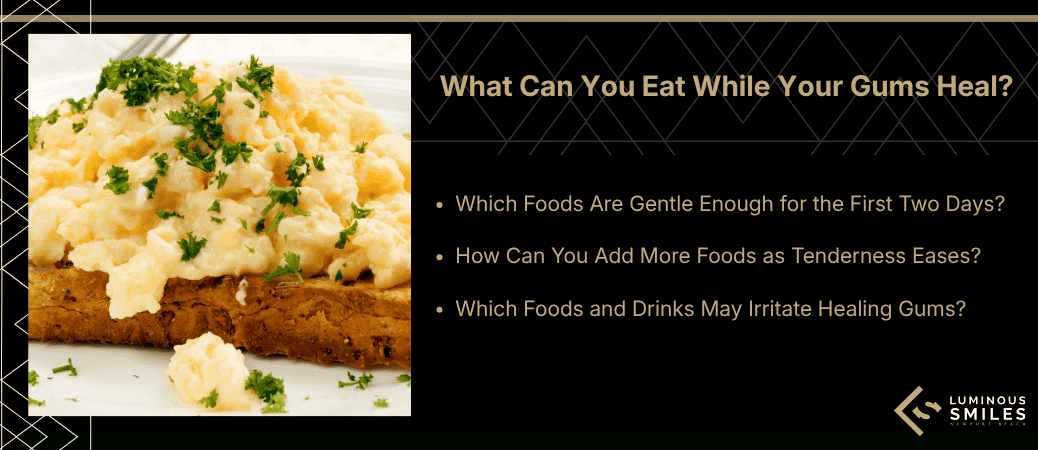
Which Foods Are Gentle Enough for the First Two Days?
Stick with foods that slide down easily and don’t need chewing. Good choices include yogurt, smoothies eaten with a spoon, mashed potatoes, scrambled eggs, applesauce, and pudding.
Keep everything cool or lukewarm rather than hot, since heat can increase blood flow to the area and stir up swelling. Skip the straw for the first two days too, since suction can disturb healing tissue.
How Can You Add More Foods as Tenderness Eases?
Once the sharpest tenderness fades, usually somewhere around days three to five, you can start adding soft foods with a little more texture.
Think soft pasta, well-cooked vegetables, tender scrambled dishes, and soft bread without a hard crust.
Let your comfort level guide the pace. If a food feels like work to chew, it’s still too soon.
Which Foods and Drinks May Irritate Healing Gums?
Spicy, acidic, crunchy, and very hot foods and drinks tend to irritate healing gum tissue the most. Chips, nuts, popcorn, citrus fruits, hot sauce, and steaming coffee can all sting or scrape a healing gumline.
Alcohol is worth setting aside too, since it can dry the mouth and slow tissue repair. Most dentists suggest avoiding it for at least the first 48 hours.
How Should You Brush and Rinse Healing Gums?
You can and should keep brushing your other teeth during gum contouring recovery, just avoid direct contact with the treated gumline until your dentist gives you the go-ahead.
Good gum contouring aftercare protects the surgical site while still keeping the rest of your mouth clean.
Brushing Untreated Teeth Without Disturbing the Gumline
Brush the teeth and gums that weren’t treated using your normal gentle technique with a soft-bristled brush.
For teeth near the treated area, brush the biting surfaces and avoid pressing bristles right against the gumline.
This keeps plaque from building up elsewhere in your mouth while giving the healing tissue room to recover undisturbed.
Using Saltwater Rinses When Your Dentist Recommends Them
Saltwater rinses are a gentle way to keep the area clean once your dentist says it’s time to start.
Many providers recommend beginning warm salt water rinses about 24 to 48 hours after the procedure, letting the rinse fall out of your mouth gently rather than swishing hard.
Some dentists prescribe an antimicrobial rinse instead, so follow whatever specific instructions you were given.
When to Resume Cleaning the Treated Area
Your dentist will tell you when to brush and floss the treated area. Keep cleaning your untreated teeth, and follow the instructions you received for the healing gumline.
If you are unsure whether the tissue is ready, check with the dental team before brushing directly over it.
Rushing this step is one of the more common ways people accidentally slow their own periodontal health during recovery, so it’s worth waiting for your dentist’s signal.
Is swelling getting worse instead of better? Reach out to your dental team promptly.
What Else Should You Avoid, and When Should You Get Help?
Beyond food and brushing, a few daily habits can either help or hinder healing, and knowing which symptoms are normal versus concerning takes the guesswork out of recovery.
Gum contouring pain is usually mild and manageable, but there are clear signs that call for a prompt check-in with your dentist.
Habits That Can Disrupt Healing
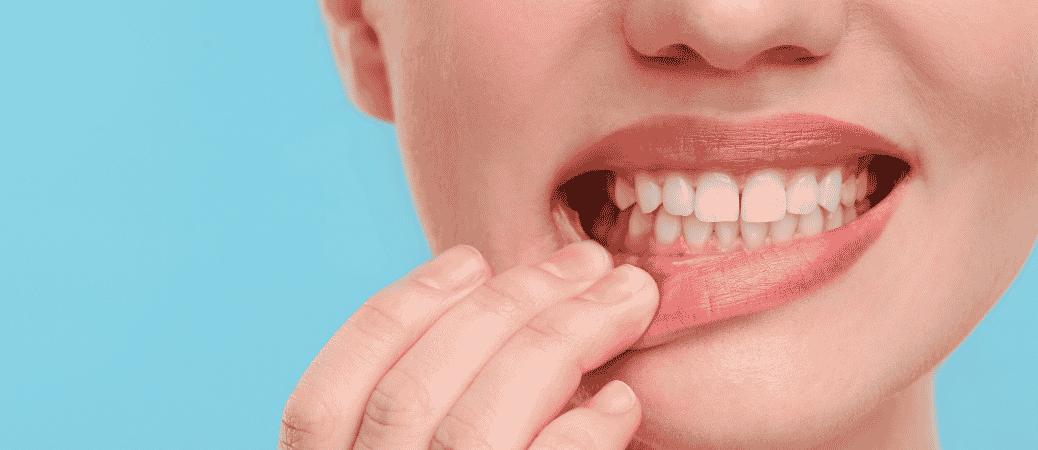
Smoking and vaping slow gum healing considerably by reducing blood flow to the tissue. Touching, poking, or pulling at your lip to inspect the gumline can also irritate tender tissue and introduce bacteria.
Vigorous exercise in the first day or two raises blood pressure and can prolong swelling, so light activity is a better choice early on.
How Can You Ease Normal Soreness?
Over-the-counter pain relievers taken as directed usually handle typical soreness well for pain management.
A cold compress against the outside of your cheek helps with swelling, and sleeping with your head slightly elevated can ease overnight puffiness.
Which Symptoms Need a Prompt Call to Your Dentist?
Severe pain that gets worse instead of better, heavy bleeding that won’t stop, fever, spreading swelling after 48 to 72 hours, or pus and a foul odor all warrant a call to your dental team.
Healthy gum tissue shouldn’t stay persistently red, swollen, or bleeding, and a professional should evaluate gums that aren’t improving as expected.
A light white film over the healing area can be a normal part of tissue repair. Worsening symptoms, rather than gradual improvement, are what signal a problem.
Do Laser and Traditional Procedures Need Different Aftercare?
Laser gum contouring may cause less initial bleeding because the laser seals tissue as it works.
The laser technology used for gum contouring can also support a more comfortable recovery, although healing varies from person to person.
Whether your treatment involves a laser or a scalpel, follow your dentist’s instructions for eating, cleaning the treated area, and attending follow-up visits.
Give Your Gumline Time to Settle
Gum contouring recovery varies from person to person. Tenderness and swelling may ease during the first week, while the gumline can continue to settle afterward.
Choose foods that feel comfortable, clean the treated area as your dentist directs, and contact your dentist if symptoms worsen instead of improving.
If you had gingival contouring to address an uneven or gummy smile, remember that early swelling can make the gumline look different from its settled appearance. Give your gums time to heal before judging the result.
At Luminous Smiles, patients are reminded that a settled, balanced gumline takes patience, and that following your dentist’s specific instructions always comes first.
Frequently Asked Questions
When can I floss around the treated teeth?
Follow the instructions your dentist gave you for the treated area. The timing depends on the procedure and how your gums are healing. Continue cleaning the rest of your mouth as directed.
Can I drink coffee during the first week?
Cool or lukewarm coffee is usually fine once the sharpest tenderness passes, but very hot coffee can irritate healing gums and increase swelling.
It’s also wise to skip added spice or strong acidity, like flavored syrups with citrus notes, until your gums feel less sensitive.
Is a white film on my gums normal after contouring?
Yes, a light white or yellowish film over the healing tissue can be a normal part of the healing process. It’s different from pus with a foul smell or fever, which would need a call to your dentist.
When can I exercise after gum contouring?
Light activity like walking is usually fine within a day or two, but strenuous exercise is best avoided for the first 24 to 48 hours. Raising your heart rate too soon can increase blood flow to the area and prolong swelling.
What if my gumline still looks uneven after a week?
Some unevenness at the one-week mark is common, since swelling can affect how the gumline looks day to day.
If the tissue doesn’t seem to be settling into a more even shape after a couple of weeks, it’s worth checking in with your dentist for reassurance.